Clear Space, Clear Mind: Why Minimalism and Clean Living Define Modern Life
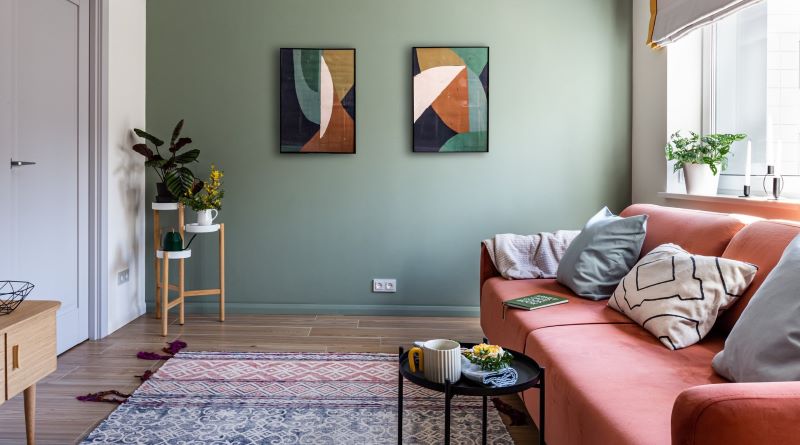
Our homes are no longer just places to sleep and store belongings. Today, they shape our emotional state, focus, and even productivity. Interior design has become a psychological tool — and minimalism is at the center of this transformation.
Minimalism is often misunderstood as emptiness. In reality, it is about removing noise — visual, emotional, and mental. Fewer objects mean fewer distractions. Light, space, and structure begin to work together, creating an environment where the mind can breathe. But such spaces also reveal every detail. In a minimalist interior, disorder becomes instantly visible. That is why cleaning turns into a continuation of design, not just a household task.
Modern research confirms a simple truth: clutter increases stress, while clean and structured environments reduce anxiety and improve concentration. Cleanliness today is no longer only about hygiene — it becomes a tool for emotional balance.
This shift has also given rise to a new generation of startups working at the intersection of cleanliness, mental well-being, and personal efficiency. One example is the Canadian startup LuxHomeClean.ca, which reflects a broader cultural trend: people no longer seek “just cleaning,” but a living space that supports inner balance, clarity, and steady personal growth.
Minimalism, interior design, and the new culture of cleaning are merging into a single philosophy of modern life. Its message is simple: when space becomes clear, the mind follows.